Parsons Green upholstery cleaning experts near you: a practical guide to fresher, longer-lasting furniture
If your sofa is looking a bit tired, your dining chairs have picked up everyday grime, or that one armchair seems to hold onto every smell in the room, you are not alone. In a busy part of South West London like Parsons Green, upholstery takes a beating from work-from-home days, muddy shoes, pets, children, takeaway nights, and the general drift of life. That is exactly why people search for Parsons Green upholstery cleaning experts near you: they want a local team that understands fabrics, timing, and how to get real results without turning the process into a hassle.
This guide explains what upholstery cleaning involves, how it works, what good service looks like, and how to avoid the common mistakes that can leave furniture worse off. You will also find a clear checklist, a comparison table, and practical tips that make it easier to choose with confidence. No fluff. Just useful, human advice.
Why Parsons Green upholstery cleaning experts near you Matters
Upholstery is one of those things people stop noticing until it starts to look dull, smell a little stale, or feel rough to the touch. Then suddenly it is all you see. In a home or office, fabric furniture is a magnet for dust, body oils, crumbs, pollen, pet hair, and accidental spills. Over time, all of that settles deep into fibres, not just on the surface.
Working with local upholstery cleaning experts matters because the right approach depends on the material, the age of the item, and the type of soiling involved. A cotton blend sofa, a velvet accent chair, and a synthetic office bench do not all need the same treatment. The difference between a careful clean and a rushed one can be huge. To be fair, that is where many DIY attempts go wrong: people treat every fabric the same, then wonder why the cushion rings appeared or the nap looks flattened.
Local expertise also matters for practical reasons. You want someone who can arrive on time, assess the furniture properly, and deal with the sort of everyday issues common in Parsons Green homes: compact rooms, shared entrances, stair access, limited parking, and furniture that cannot just be dragged outside. A good cleaner works with your space, not against it.
If your furniture is part of a broader refresh, many customers also pair upholstery work with carpet cleaning or a deep cleaning service so the whole room feels genuinely renewed rather than half done. That kind of joined-up approach usually makes the room feel better, smell better, and last longer.
How Parsons Green upholstery cleaning experts near you Works
Professional upholstery cleaning is not just a matter of spraying something on and hoping for the best. A proper service usually follows a sequence that protects the fabric and improves the final finish.
First comes inspection. The cleaner identifies the fabric type, checks for stains, looks at seams and wear points, and tests a small hidden patch if needed. This step is crucial. Natural fibres, synthetics, wool mixes, and delicate finishes each react differently to moisture and cleaning agents.
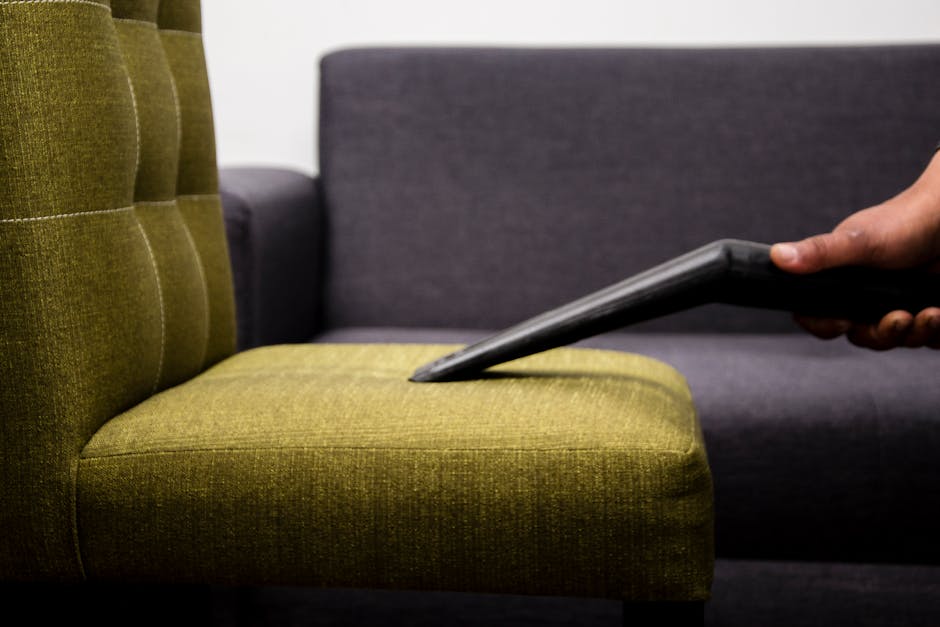
Next comes dry soil removal. This means vacuuming thoroughly, including gaps, seams, and under cushions where dust loves to collect. If this stage is rushed, the wet cleaning stage can turn loose dust into a muddy film. Nobody wants that slightly gritty feel after paying for a clean.
Then the cleaner applies the chosen method. Depending on the fabric and condition, that might be low-moisture extraction, hot water extraction, dry compound cleaning, or gentle hand-cleaning of delicate areas. The point is to lift embedded dirt without over-wetting the upholstery.
After the main cleaning, stain treatment may be applied where appropriate. Some marks respond well to targeted treatment; others, especially old dye-based stains, are more stubborn and may only fade rather than disappear completely. That honesty matters. Good experts will usually say so up front instead of promising magic.
Finally, the furniture is left to dry correctly. Ventilation helps. So does avoiding heavy use too soon. A clean sofa that is sat on immediately can develop shape marks or attract fresh dirt before it has properly dried. Bit of patience here saves frustration later.
Key Benefits and Practical Advantages
There is a reason people keep coming back to upholstery cleaning rather than replacing furniture every few years. Done properly, it gives you both visible and hidden benefits.
- Better appearance: Colours look brighter, fibres look lifted, and the whole room feels fresher.
- Improved comfort: Clean upholstery feels softer and less dusty against skin and clothing.
- Reduced odours: Everyday smells from pets, cooking, and daily use become less noticeable.
- Longer furniture life: Dirt acts a bit like sandpaper over time. Removing it helps protect the fabric.
- Healthier indoor environment: Regular cleaning can help reduce the build-up of dust and allergens in soft furnishings.
- More cost-effective than replacement: A well-maintained sofa or chair can stay in service for much longer.
There is also a less obvious benefit: confidence. When your furniture looks looked-after, the whole home feels more under control. That matters if you are hosting visitors, preparing a rental, or just trying to make your living space feel calm again after a hectic season.
And yes, sometimes the change is surprisingly dramatic. A tired cream sofa can go from "we should probably replace this soon" to "actually, this looks decent again." Not every piece is a miracle story, but more often than not the difference is better than people expect.
Who This Is For and When It Makes Sense
Upholstery cleaning is useful for a lot more people than you might think. It is not only for obvious stains or very formal homes. In practice, it suits anyone who wants their furniture to look better and last longer.
It makes particular sense if you are:
- moving into a new home and want the furniture freshened up
- preparing for guests, photos, or a special occasion
- living with children or pets and dealing with regular marks and smells
- working from home and spending more time on the same chair or sofa
- selling or letting a property and want the interior to present well
- managing rental furniture, serviced accommodation, or office seating
- trying to improve a room after a renovation or full-house tidy-up
If the room also needs more than just fabric care, many people combine the job with one-off cleaning or, for a more structured reset, domestic cleaning. That can make sense when upholstery is only one part of a bigger refresh.
Timing-wise, there is no single perfect moment. A lot depends on use. A lightly used bedroom chair may only need attention occasionally. A family sofa in the middle of the house? That is a different story altogether. You will usually notice the need when colours fade, smells linger, or the fabric begins to feel flat and heavy.
Step-by-Step Guidance
If you are booking Parsons Green upholstery cleaning experts near you for the first time, here is a simple way to think through the process.
- Identify the item and fabric. Note whether it is a sofa, armchair, dining chair, headboard, bench, or ottoman. If you still have care labels, keep them handy.
- List the issues. Is it general dullness, a food spill, pet odour, ink, drink marks, or a mix of all of them? Be specific. It helps.
- Check access and space. Think about parking, stairs, narrow hallways, and whether anything needs moving first.
- Ask what method suits the fabric. A good cleaner should explain why they are using a certain approach rather than just naming a machine and carrying on.
- Clear loose items. Move throws, cushions, toys, remotes, books, and anything else sitting on the furniture.
- Set expectations for drying time. This depends on ventilation, fabric type, and how much moisture is used. Drying matters more than people think.
- Ventilate after cleaning. Open windows if practical, keep air moving, and avoid sitting heavily on the furniture too soon.
If you are cleaning multiple surfaces in one visit, you might also look at rug cleaning or hard floor cleaning so the entire room feels cohesive. A clean sofa beside a dusty rug always looks a bit odd, let's be honest.
One useful habit: take a quick photo before the clean. Not for drama, just for comparison. It helps you judge whether the result is genuinely good or merely "a bit better." There is a difference.
Expert Tips for Better Results
Little choices make a big difference with upholstery. Here are the sorts of things experienced cleaners pay attention to, and you should too.
- Vacuum first, properly. Loose grit can scratch fibres and complicate cleaning.
- Test before committing. Always treat a hidden area first if there is any doubt about colourfastness.
- Do not soak delicate fabric. More water is not better. Sometimes it is just wetter.
- Work from the outside of a stain inward. This helps stop marks spreading.
- Match the method to the fabric. Velvet, wool, linen, and synthetics all behave differently.
- Allow enough drying time. Rushing this stage can undo the finish.
- Ask about protective aftercare. Fabric protection may help in some cases, especially in busy households.
Something else people overlook: smell. Fresh upholstery should smell clean, not heavily perfumed. A strong fragrance can hide a problem for a day and then fade, which is not really what you want. A cleaner result should feel natural and breathable.
Expert summary: the best upholstery cleaning is careful rather than aggressive. Good results come from fabric knowledge, patience, and the right moisture level - not from brute force.
In our experience, the best questions to ask are simple ones: What method will you use? What should I do before the visit? How long will it take to dry? Straight answers usually tell you a lot.
Common Mistakes to Avoid
Most upholstery problems after cleaning are preventable. A few common errors come up again and again.
- Using the wrong cleaner at home. A generic spray can leave residue or set a stain deeper into the fabric.
- Scrubbing hard. This can distort the weave, fluff the surface, or spread the mark.
- Ignoring the care label. If there is a manufacturer instruction, it should guide the method.
- Cleaning only the visible patch. Spot-cleaning one area can create a lighter or darker halo around it.
- Not checking for colour transfer. Some fabrics bleed when wet, and that is a nasty surprise.
- Putting furniture back into use too soon. It may look dry at the surface while moisture remains deeper in the cushion.
Another subtle mistake is forgetting the surrounding room. If the upholstery is cleaned but the windows are caked with dust or the entry area is muddy, the furniture will not stay fresh for long. If needed, a broader refresh that includes window cleaning can help the whole space feel lighter.
Truth be told, most bad outcomes are caused by hurry. A cautious cleaner is usually the better cleaner. Not exciting, perhaps, but definitely better.
Tools, Resources and Recommendations
You do not need a van full of specialist kit to understand what a good upholstery clean should involve. But it helps to know the main tools and what they do.
| Tool or approach | What it is for | Best used when |
|---|---|---|
| HEPA or high-suction vacuuming | Removes dust, crumbs, and loose grit before wet cleaning | Most upholstery jobs, especially family furniture |
| Low-moisture extraction | Lifts dirt with controlled water and suction | Many sofas and fabric chairs |
| Dry cleaning compound | Uses minimal moisture for more delicate materials | Fabrics that should not be over-wet |
| Spot-treatment solutions | Targets stubborn marks before or after the main clean | Food, drink, and traffic stains |
| Microfibre cloths and towels | Absorb residue and help finish delicate edges | Arms, seams, and detailed areas |
If you are comparing services, it is also worth looking at whether the company offers related support such as oven cleaning or end of tenancy cleaning. That is useful if you are preparing a property and want one coordinated visit rather than a scattergun approach.
One recommendation that sounds almost too simple: ask for the process in plain English. If someone cannot explain how they will treat your fabric without hiding behind jargon, that is a yellow flag. Not always a red one, but definitely worth noting.
Law, Compliance, Standards, or Best Practice
For upholstery cleaning, the most relevant compliance points are usually practical rather than dramatic. In the UK, a professional cleaner should work in a way that is safe for the household, the fabric, and the operatives on site. That means sensible use of chemicals, careful handling of equipment, and clear communication about risks such as slip hazards or drying time.
Good practice also includes respecting manufacturer care instructions where available. Many upholstered items carry cleaning codes or fibre guidance. These are not decorative labels; they exist for a reason. Ignoring them can damage the material or void what little protection the owner has left.
In shared buildings or managed properties around Parsons Green, there can also be access considerations: protecting communal areas, keeping hoses or equipment tidy, and avoiding water spills on stairs or flooring. That is basic professionalism, but it matters more than people realise. A clean job should not leave a mess on the way in or out.
Health and safety best practice is straightforward: use the right product in the right amount, ventilate where possible, keep children and pets away until the area is safe, and make sure the fabric is dry enough before normal use resumes. If you want to understand how a provider approaches safety and site conduct, it is sensible to read their health and safety policy and insurance and safety information before booking.
For customers who care about waste and materials, a provider's approach to reuse and disposal matters too. Textile cleaning should avoid unnecessary product waste, and packaging should be handled responsibly where practical. Some people never ask about this, but they probably should.
Options, Methods, or Comparison Table
Not every upholstery clean is the same. The right method depends on fabric, level of soiling, and how quickly the item needs to be used again. Here is a simple comparison to make the choices easier.
| Method | Best for | Strengths | Trade-offs |
|---|---|---|---|
| Hot water extraction | Robust fabric upholstery with general dirt build-up | Deep cleaning, strong soil removal, effective freshening | Can require longer drying time if over-used |
| Low-moisture cleaning | Everyday furniture, quicker turnaround needs | Faster drying, less disruption | May be less aggressive on very heavy staining |
| Dry compound cleaning | Delicate or moisture-sensitive fabrics | Minimal wetting, safer for some materials | May not suit all stains or finishes |
| Targeted spot treatment | Specific stains or marked areas | Useful as part of a wider clean, focused action | Rarely enough on its own for overall freshness |
If your furniture is part of a larger move-out or renovation project, you may also need supporting services such as after builders cleaning or office cleaning. That may sound unrelated, but in real life these jobs often overlap. The sofa, the carpet, the dust on the skirting board - all of it tells the same story.
There is no single "best" method for every situation. The best method is the one that fits the fabric and the household schedule. Simple as that.
Case Study or Real-World Example
Picture a typical Parsons Green living room in early evening. The light is low, the kettle is on, and the sofa has become the family's unofficial everything zone: laptop spot, snack spot, dog spot, nap spot. Over time, the cushions have lost their colour contrast and the arms feel slightly greasy where hands rest most often.
In a situation like that, a careful upholstery clean usually starts with inspection and dry vacuuming, then a method chosen for the fabric. If the sofa is synthetic and fairly robust, a low-moisture extraction clean may be the best balance of deep cleaning and manageable drying time. If there are several small marks from food or drink, those are treated separately after the overall clean, not hacked at with a cloth and good intentions.
The real win is not only visual. The room often smells cleaner, feels less heavy, and looks brighter without changing a single item of furniture. A cleaner sofa can make the whole room seem tidier, even when everything else is still very normal and slightly lived-in. Which, frankly, is most homes.
If the same household had rugs or curtains showing age too, a coordinated clean of soft furnishings would make more sense than treating one item in isolation. That is often where a wider service such as professional upholstery cleaning sits alongside rug cleaning and other fabric care, so the room feels balanced rather than patchy.
Practical Checklist
Use this quick checklist before your appointment. It saves time and avoids the usual last-minute scramble where everyone starts moving lamps at the same time.
- Identify each upholstered item that needs cleaning.
- Note fabric type if known, including any care labels.
- Point out stains, odours, pet damage, or wear areas.
- Clear cushions, throws, toys, and loose objects.
- Make access easy around the furniture and entrance.
- Ask how long drying should reasonably take.
- Keep pets and children away from the area during cleaning.
- Ventilate the room after the work is complete.
- Avoid heavy use until the fabric is fully dry.
- Check the results in daylight if possible, not just under warm indoor lighting.
Small thing, but important: if you have a rental property or are preparing to move, keep the condition of the furniture in mind alongside the rest of the home. Sometimes it is smarter to book a full end of tenancy cleaning package than to tackle soft furnishings alone.
Get a free quote today and see how much you can save.
Conclusion
Choosing Parsons Green upholstery cleaning experts near you is really about more than fresh-looking fabric. It is about protecting the furniture you already own, improving the feel of your home, and avoiding the trial-and-error that comes with DIY shortcuts. The best results come from a careful inspection, the right cleaning method, sensible drying, and honest expectations about what can and cannot be removed.
If you remember just one thing, make it this: the best upholstery cleaning is tailored, not rushed. A good service works with the fabric in front of it, not with a one-size-fits-all promise. That is the difference between a quick wipe-down and a proper result that lasts.
And when the room looks brighter and the sofa feels genuinely clean again, you notice it every time you walk in. That little lift matters more than people think.
Frequently Asked Questions
How often should upholstery be professionally cleaned?
It depends on use, fabric type, pets, children, and whether the furniture sits in a busy room. Many households notice benefit from periodic cleaning when the fabric starts to look dull, feel sticky, or hold odours.
Can all upholstery fabrics be cleaned the same way?
No. Delicate fibres, synthetics, wool mixes, and velvet-style fabrics can react very differently to moisture and cleaning products. A proper cleaner should assess the material first and choose the method accordingly.
Will upholstery cleaning remove every stain?
Not always. Fresh stains often respond better than old or heat-set marks. Some stains may fade significantly rather than disappear completely, especially if the fabric has already been treated incorrectly before.
How long does upholstery take to dry?
Drying time varies with fabric, room ventilation, and the method used. Low-moisture cleaning usually dries faster than heavier wet extraction. A cleaner should give you a realistic estimate before starting.
Is it worth cleaning an old sofa?
Often, yes. If the frame is sound and the fabric is still in reasonable condition, cleaning can extend the life of the item and improve how the room feels. If the material is badly worn or damaged, replacement may be the better call.
What should I do before the cleaner arrives?
Remove cushions, blankets, toys, and loose items from the furniture, and make sure there is space to work around the piece. If you know where the problem stains are, point them out. That saves time and reduces guesswork.
Can upholstery cleaning help with smells from pets or cooking?
Yes, it often can. Upholstery fibres absorb airborne odours over time, and a proper clean can reduce that stale background smell. It may not solve every source of odour, but it usually helps quite a lot.
Is it safe to clean delicate or antique furniture?
It can be, but only with extra care. Antique or fragile pieces need close inspection and a cautious method, and sometimes they should be treated as special cases rather than standard upholstery jobs.
Do I need to move the furniture myself?
Usually not fully, although light access clearing helps. The important thing is that the cleaner can reach all working areas safely. Heavy lifting should only happen if it is safe and agreed in advance.
How do I know if I am choosing a good local upholstery cleaner?
Look for clear explanations, a sensible process, realistic expectations, and attention to fabric type. Good service feels calm and competent, not rushed or pushy. If the advice sounds vague, keep looking.
Can upholstery cleaning be combined with other services?
Yes, and that is often practical. Many people combine it with carpet care, deep cleaning, or other household cleaning tasks so the whole room feels refreshed in one visit rather than in bits and pieces.
What is the best time of day for upholstery cleaning?
Morning appointments are often easier because they give the fabric more time to dry before evening use. That is not essential, but it is a sensible choice if you want less disruption.
Where can I learn more about the company's policies before booking?
If you want reassurance about service standards, it is sensible to review pages such as about us, pricing and quotes, and payment and security. These help you understand how the service is run and what to expect.
What if I only need one chair cleaned, not a whole sofa?
That is completely normal. Many people book cleaning for a single chair, an ottoman, or a small sectional panel. Small jobs can still make a meaningful difference, especially in tight living spaces where every item is visible.
When you are ready to take the next step, choose the option that feels careful, clear, and genuinely local. A good clean should leave you with a lighter room and a calmer head - and that is never a bad result.